Why are AI drawing styles so popular?
Firstly, AI drawing significantly lowers the barrier to creation, allowing non-professionals to easily create professional-level artwork. Secondly, in social media and digital marketing, unique styles can effectively attract attention and create a viral effect. According to industry reports, the AI art market is expected to grow by over 50% in 2025, with style diversity being a key driving factor. These styles not only draw on traditional art but also incorporate digital innovation elements, such as pixelation and futurism. Below, we list the 10 most popular AI drawing styles in 2025, each with a brief introduction, characteristics, and application suggestions. These styles are derived from extensive AI art community and tool usage data, aiming to provide inspiration for your creations.
1.Abstract Style
The abstract style is the freest form in AI drawing, not emphasizing realistic representation, but rather expressing emotions or concepts through shapes, colors, and forms. This style originates from 20th-century abstract expressionism, such as the works of Kandinsky. In AI generation, entering prompts such as "abstract blue vortex representing chaotic emotions" will automatically generate non-figurative images. Its characteristics include flowing lines, strong contrasts, and random elements, commonly found in digital wallpapers or brand design. In 2025, this style is highly favored for its suitability in exploring the inner world and can be applied to psychotherapy apps or abstract music covers, generating infinite variations and encouraging creators to break through traditional frameworks.
2.Cubism Style
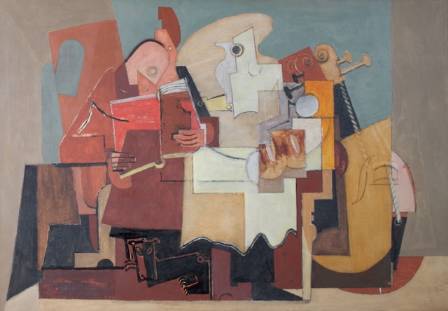
Cubism originates from the art movement of Picasso and Braque, breaking down objects into geometric shapes and presenting them from multiple perspectives simultaneously. In AI-generated art, this style makes still lifes or figures appear fragmented and multidimensional, with prompts such as "Cubist city landscape, fragmented buildings." It is characterized by sharp edges, overlapping planes, and abstract deconstruction, suitable for modern advertising or game concept art. In 2025, Cubism is popular in the AI community because it challenges visual perception and helps designers quickly generate complex structures. In education, this style is often used to explain geometric concepts and is a classic example of integrating technology and art.
3.Pop Art Style
Pop art emphasizes elements of popular culture, such as comics, advertisements, and celebrities, using vibrant colors and high contrast. Andy Warhol is a representative figure. In AI, prompts such as "Pop art style Coca-Cola can, red and blue contrast" can produce bold, satirical images. Features include repetitive patterns, halftone printing effects, and commercial symbols, commonly found in street art or social media memes. In 2025, this style is popular due to its ease of viral spread, and brands use it to create eye-catching posters. AI democratizes Pop Art, allowing anyone to emulate the style of masters, applicable to fashion design or digital NFTs, injecting humor and critical spirit.
4.Oil Painting Style
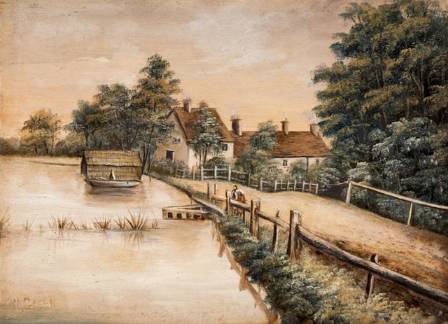
The oil painting style simulates traditional oil painting techniques, presenting thick brushstrokes, rich colors, and layering. Originating from the Renaissance period, such as the works of Leonardo da Vinci. In AI-generated art, using prompts such as "oil painting style rural landscape, sunset glow" can generate realistic textures. Features include light and shadow gradients, wet blending, and delicate details, suitable for portrait or landscape creation. In 2025, this style holds a place in AI art due to its classic beauty, often used in digital galleries or home decor design. AI tools allow beginners to easily experience the joy of oil painting, bridging traditional and modern art.
5.Futuristic Architectural Style
This style integrates science fiction elements, depicting advanced architectural technology, such as floating cities or curved structures. In AI, prompts such as "futuristic space station, neon lights" can produce imaginative images. Features include metallic textures, dynamic lines, and high-tech details, often applied in game development or urban planning concept art. In 2025, with the rise of the metaverse, this style became extremely popular, with architects using AI to rapidly iterate designs. It's not only a visual feast but also sparks discussions about the future, suitable for science fiction book covers or VR experiences.
6.Cartoon Style
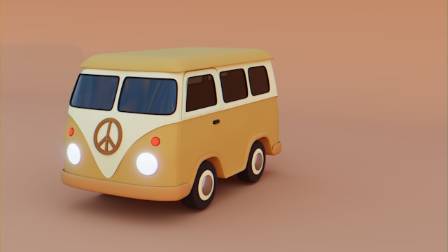
The cartoon style primarily uses exaggerated and humorous expressions, simplifying objects into cute or funny forms. It originates from Disney and comics. In AI drawing, prompts such as "cartoon superhero, exaggerated muscles" can generate vivid images. Features include thick lines, bright colors, and large heads with small bodies, widely used in children's books or animation storyboards. In 2025, this style exploded on social media due to its ease of sharing and meme creation. AI makes cartoon creation faster, applied in educational animations or brand mascots, bringing a lighthearted and joyful atmosphere.
7.Ink Punk Style
Ink punk combines hand-drawn ink lines with punk aesthetics, presenting a rough, unfinished sketch feel. High contrast and scribbled brushstrokes are its hallmarks. In AI, prompts such as "ink punk street rebel, black and white contrast" produce a rebellious style. Features include hand-drawn textures, blurred edges, and strong emotions, commonly found in street art or rock posters. In 2025, this style became popular among independent artists due to its raw energy, with AI tools amplifying its DIY spirit. Suitable for music album covers or counter-culture designs, embodying freedom and chaos.
8.Papercraft Style
The papercraft style simulates the effects of paper cutting, folding, and layering, creating a 2D or 3D立体 effect. In AI drawing, prompts such as "papercraft animal model, multiple layers of paper" can generate exquisite images. Features include flat colors, edge shadows, and a handmade texture, applied in handicraft tutorials or packaging design. In 2025, this style became popular due to its eco-friendly concept, aligning with sustainability trends. AI makes papercraft easier to simulate, suitable for DIY communities or children's education, bringing a warm, handmade feel.
9.Pixel Art Style
Pixel art harks back to early video games, such as Super Mario, using colored squares to compose images. In AI, prompts such as "pixel art retro game scene" produce a nostalgic effect. Features include a grid structure, low resolution, and a limited color palette, commonly found in indie games or NFT collections. In 2025, this style became popular again due to the retro trend, with AI tools accelerating pixel art creation. Applied to app icons or digital art exhibitions, it evokes childhood memories and blends modern elements.
10.Anime Art Style
The anime style originates from Japanese animation and manga, emphasizing large eyes, exaggerated expressions, and vibrant colors. In AI drawing, prompts such as "anime-style fantasy warrior, dynamic pose" can generate vivid characters. Features include fluid lines, emotional emphasis, and narrative scenes, widely used in comic creation or cosplay design. In 2025, this style leads in global popular culture, with AI allowing fans to easily create fan art. Suitable for the animation industry or community sharing, it embodies the charm of Eastern aesthetics.
Conclusion
These AI drawing styles not only reflect art history but also foreshadow future innovations. In 2025, as AI models continue to improve, users will be able to control styles more precisely and combine multiple elements to create unique works. Whether you are an artist, designer, or enthusiast, it's worth experimenting with these styles and exploring endless possibilities. AI is not replacing art, but amplifying creativity, allowing everyone to become a creator. In the future, more hybrid styles will emerge, driving a new wave in the art world.

 STOP
 STOP
 STOP
 STOP
 STOP
 STOP