Dispatch
Urban Street Life and Human Behavior
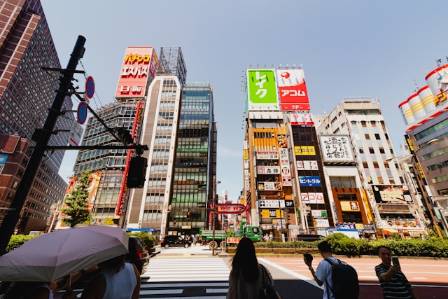
The rhythm of a city is carried by the people who inhabit it, influencing their daily routines, choices, and interactions in subtle yet powerful ways. From the crowded avenues of New York to the intricate streets of Tokyo, cities serve as stages for complex patterns of human behavior, where individuals navigate both the challenges and the opportunities of dense urban life.
Mason Clarke
Rider
Desk note
Full dispatch and transfer tips sit below.
Line
Blue Line Walk
The rhythm of a city is carried by the people who inhabit it, influencing their daily routines, choices, and interactions in subtle yet powerful ways. From the crowded avenues of New York to the intricate streets of Tokyo, cities serve as stages for complex patterns of human behavior, where individuals navigate both the challenges and the opportunities of dense urban life.
Urban behavior refers to how people adjust and respond to life in heavily populated, constructed environments. It encompasses a mixture of social conventions, mental adaptations, and cultural trends that emerge from the unique pressures and stimuli of city living. With over half of the global population now residing in urban areas, understanding these behaviors has become increasingly important.
Studying urban behavior is more than an academic pursuit; it provides insights into critical aspects of modern life, from public health and city design to social inequality and technology adoption. By examining how people think, feel, and interact in cities, we gain a better understanding of everything from daily routines to relationships and personal ambitions.
A Brief History of Urban Life
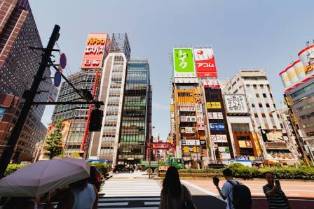
Humans have been drawn to cities for thousands of years, from Mesopotamia to modern megacities. Urbanization accelerated during the Industrial Revolution, when large populations moved to urban centers seeking work and opportunity. This shift created crowded streets, towering buildings, and constant sensory input, prompting new social norms and coping mechanisms.
Today, city life continues to evolve, and architects and planners increasingly focus on how design influences well-being, social interaction, and community cohesion in dense environments.
Pressures and Influences in Urban Living
City living is shaped by numerous factors. Population density, for example, creates social pressures that can foster both anonymity and connection. The constant visual and auditory stimuli—traffic, signage, and advertisements—affect attention, stress, and creativity.
Diverse urban populations bring a mix of cultures, experiences, and perspectives, encouraging tolerance but also occasionally generating friction. Technology, particularly smartphones and social media, further changes urban behavior, improving convenience while introducing challenges like screen addiction and reduced face-to-face interaction.
Social Norms and Urban Etiquette
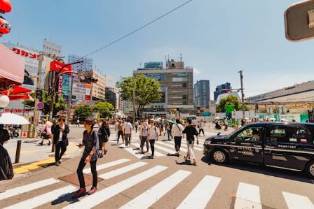
Crowded cities develop their own informal rules. Pedestrians learn the "sidewalk dance," navigating space efficiently while avoiding collisions. Adaptations also extend to living arrangements, commuting habits, and resource management, as seen in micro-apartments and co-living spaces in New York or Hong Kong.
Fast-paced urban lifestyles have cultivated a culture of time management and “rush culture,” where residents juggle multiple responsibilities, creating a blend of urgency and exhilaration. Consumerism plays a role as well, with abundant shopping, dining, and entertainment shaping social status and identity.
Psychological Impacts of City Life
Urban life can significantly affect mental health. Constant stimulation and pressures contribute to higher stress levels and, paradoxically, feelings of loneliness despite being surrounded by millions. Anonymity in dense living environments can make forming deep social bonds challenging.
Yet cities also offer positive influences. The diversity, cultural opportunities, and dynamic environment can foster creativity, personal growth, and social engagement. Many urban dwellers develop coping strategies, such as mindfulness, exercise, or creative hobbies, to balance the intensity of city living.
Urban Communities and Social Networks
Cities are fertile grounds for forming social groups and subcultures. Urban tribes—whether based on shared interests, professions, or cultural identity—contribute to the richness of city life. Urban settings also influence family structures, with high living costs fostering multigenerational homes and alternative arrangements.
Professional and networking opportunities in urban areas thrive, as the density of resources and talent promotes innovation and collaboration. Public spaces like parks, plazas, and community centers are crucial for social connection, well-being, and civic engagement.

Future Trends in Urban Behavior
Looking forward, urban life will be shaped by smart city technology, sustainable living initiatives, and changing work patterns. Traffic management, energy-efficient infrastructure, and eco-friendly lifestyles will redefine urban behavior.
Addressing inequality will remain a challenge. Future planning must create inclusive, equitable urban spaces. The evolution of work, including remote employment and the gig economy, will also influence how city residents navigate urban environments.
Embracing Life in the City
Urban behavior is complex and multifaceted, impacting every aspect of city living—from navigating streets to building relationships. Understanding these patterns benefits not only policymakers and researchers but also residents striving to thrive in dynamic urban spaces.
Cities are living organisms, shaped by the collective choices of their inhabitants. By appreciating the nuances of urban life, we can create environments that are not only efficient but also socially enriching, inclusive, and vibrant. The urban experience is a continual dance, revealing insights about both cities and the people who call them home.
Nearby stops
 STOP
· en
Loose Expressive Rose Painting Guide
Ella Morgan
 STOP
· en
Facts You Might Not Know About Alpacas
Lucien Marlowe
 STOP
· en
8 Simple Strategies for Fostering Family Happiness
Grace Aurora
 STOP
· en
Albatrosses: Inspiring Legends & Myths
Lucian West
 STOP
· en
Guidelines for Cultivating Fragrant Tropical Frangipani Trees
Scott David Young
 STOP
· en
The Daisy Flower: Symbolism, Origins, and Unique Varieties
Lila Townsend