Dispatch
7 Secrets to Baking Incredibly Moist Cakes Every Time
Baking a cake from scratch often results in a different texture compared to store-bought or cake mix cakes. While those tend to be light and airy, they’re often not as moist. The goal for any baker is to make a cake that’s delicious, moist, and stays fresh for days. Here are seven tips to help you bake a cake that’s as moist and flavorful as those served in high-end bakeries.
Taylor
Rider
Desk note
Full dispatch and transfer tips sit below.
Line
Blue Line Walk
Baking a cake from scratch often results in a different texture compared to store-bought or cake mix cakes. While those tend to be light and airy, they’re often not as moist. The goal for any baker is to make a cake that’s delicious, moist, and stays fresh for days. Here are seven tips to help you bake a cake that’s as moist and flavorful as those served in high-end bakeries.
1. Use Buttermilk Instead of Regular Milk
Buttermilk is key to a moist cake. Its acidity helps break down gluten, resulting in a softer texture. It also balances the sweetness of the cake with a slight tang. While substituting buttermilk in recipes that call for milk can work, be mindful that it may affect the rise of your cake due to changes in the batter’s chemistry.
2. Add Vegetable Oil to the Batter
Butter contributes great flavor, but vegetable oil ensures the cake stays moist longer. Oil remains liquid at room temperature, while butter solidifies, which is why oil-based cakes stay softer even after being chilled. Combining butter and oil gives the best of both worlds—rich flavor and moist texture.

3. Use Instant Clearjel or Pudding Mix
Instant Clearjel, a modified cornstarch, is a secret ingredient used to retain moisture in cakes. If you can’t find Clearjel, instant pudding mix works as a substitute, as it contains this ingredient. This addition helps your cake stay moist longer, even after it cools.
4. Pick the Right Recipe
Select a recipe that already incorporates ingredients like buttermilk and vegetable oil for optimal moisture. While it’s tempting to make substitutions, not all recipes will adapt well. Start with small batches if you want to experiment and scale up once you're satisfied with the results.
5. Avoid Overbaking
Overbaking is one of the quickest ways to dry out a cake. Bake at a lower temperature, such as 300-325°F, and always check the cake before the suggested baking time is up. An oven thermometer is useful to ensure your oven is at the correct temperature. The cake is done when it bounces back to the touch or a toothpick comes out clean.
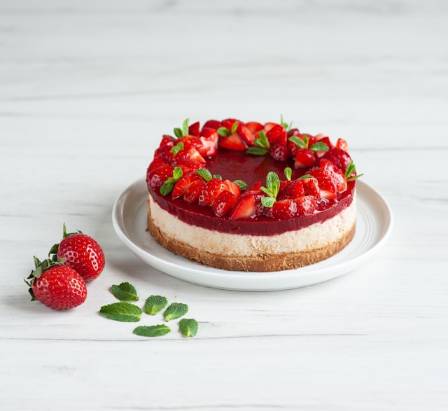
6. Bake in Sheet Pans
Baking in sheet pans, rather than individual cake pans, helps avoid dried edges and uneven baking. After baking, use cake rings to cut out perfectly even layers. This method eliminates crispy, darkened edges, giving you soft and moist cake throughout.
7. Seal with Simple Syrup or Glaze
After baking, brushing a thin layer of simple syrup or flavored glaze will keep your cake moist. Simple syrup is easy to make with equal parts water and sugar. Brush it onto the cake lightly to lock in moisture. You can also experiment with flavored glazes, such as lemon or coconut, for added flavor.
Conclusion
Achieving a moist, tender cake is not difficult if you follow these simple tips. By using buttermilk, adding oil, incorporating moisture-retaining ingredients, and being mindful of your baking process, you can create a cake that is both delicious and stays fresh longer. With practice, you’ll be baking cakes that impress every time.
Nearby stops
 STOP
· en
Top 8 Most Unique Forest Homes Around the World
Dean
 STOP
· en
The Best Sailboats for the High Seas
Jasper Lane
 STOP
· en
The History of Paint Brushes
Oliver Johnson
 STOP
· en
What’s so Special about the Underwater World?
Tessa Quinn
 STOP
· en
World Most Beautiful Beaches
Aveline Shaw
 STOP
· en
The 10 Most Beautiful Aircraft Ever Built
Evander Wynne