Dispatch
All the Insights Design Experts Want You to Have About Minimalist Interior Design
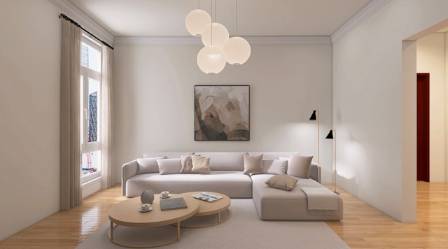
When the term “minimalist interior design” comes to mind, you might imagine stark white walls, a rigid modern leather sofa, and plenty of empty space. It’s fair to say that minimalism has gained a reputation for being cold, impersonal, and dull. But at its heart, this highly deliberate and thoughtful design approach is far from being austere.
Sophia Richardson
Rider
Desk note
Full dispatch and transfer tips sit below.
Line
Blue Line Walk
When the term “minimalist interior design” comes to mind, you might imagine stark white walls, a rigid modern leather sofa, and plenty of empty space. It’s fair to say that minimalism has gained a reputation for being cold, impersonal, and dull. But at its heart, this highly deliberate and thoughtful design approach is far from being austere.
Minimalist interiors can still brim with personality, yet the overall atmosphere is centered on bringing a sense of calm and tranquility into a room. Minimalist interior design isn’t really about having too few things, it’s about avoiding excessive decoration and focusing on what’s truly necessary and significant. The secret to mastering this refined, understated style is striking a balance between simplicity and functionality without losing the essence of the space (or straying into the realm of maximalist design).
Interested in giving minimalist interior design a try in your own home? Here’s everything you need to know about this timeless foundational style, including some of my favorite examples of minimalist interiors from Apartment Therapy’s House Tours archive.
What is Minimalist Style?
Minimalism highlights simplicity, clean lines, and functionality to craft spaces that feel elegant, neat, and peaceful. The following are typical elements of minimalist interior design:
Muted color schemes, often with soft neutrals and monochromatic palettes
Clutter-free, streamlined interiors
Natural materials to introduce warmth and texture
Clean lines and sculptural shapes
A “less-is-more” approach to decoration
What Is Minimalist Interior Design?
Minimalism is often linked to living with the absolute basics—dull color schemes, empty spaces, and a lack of character—but designers say that’s not quite right. Instead, minimalist interior design is about prioritizing what’s essential to create spaces that feel calm, peaceful, and intentionally simplified.
Minimalist interior design is essentially the opposite of maximalism, which embraces decoration in every possible way—and often to an excessive degree. As a result, minimalist interiors usually feature restrained color palettes, a focus on functionality, clean lines, simplicity, and natural materials. Visual clutter is kept to a minimum around obvious focal points. In minimalism, nothing competes for attention, allowing the eye to move smoothly across the space.
“Ultimately, minimalism doesn’t mean sparse—it means considered,” says Kristen Thomas, founder and principal designer of Studio Thomas. “A space feels relaxed when your eye knows where to land.”
A Brief History of Minimalist Interior Design
Minimalism in interior design can be traced back to the mid-20th century. As a reaction against some of the highly decorative and intricate styles of the time—such as Victorian and Art Nouveau interiors—minimalism represented a desire for elevated yet simple spaces. The iconic quote “Less is more,” attributed to German architect Ludwig Mies van der Rohe, has become closely associated with minimalist interior design.
Many designers believe the roots of minimalism were strongly influenced by the simplicity of Scandinavian style and Japanese design, the minimalist art movement of the 1960s, and the Bauhaus movement in Germany in the early 20th century.
The Bauhaus (German for “building house”) was an influential German art school that operated from 1919 to 1933. It emphasized a practical approach to art and design, rejecting excessive decoration and focusing on functionality, simplicity, and clean lines. These same principles carried over into the minimalist movement and became fundamental to this design style.
Minimalist Interior Design in the 21st Century
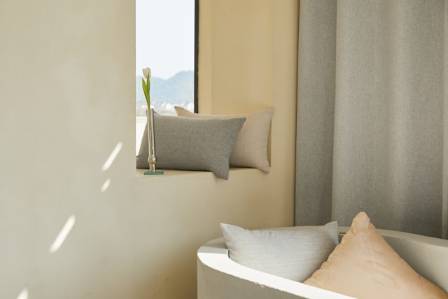
Today, minimalism is understood as more than just a design style. It has evolved into a full-fledged lifestyle philosophy centered on simple living, mindfulness, and intentionality across various fields, including fashion. Recently, however, minimalism has been becoming warmer, likely as a response to its reputation for being cold. 21st-century minimalist interior design is more welcoming and personal than ever. It aims to provide a break from the busyness of everyday life.
“The shift is towards a more intentional minimalism, one that isn’t cold or austere but rather deeply reflective of personal style and well-being,” says interior designer Rachel Blindauer. “It’s about designing spaces that are both calm and purposeful—a delicate balance between simplicity and sophistication.”
What has changed? Color palettes can have warmer undertones and be a bit more colorful overall. Restrained decoration has made its way in with key objects and decor, and layering has introduced textural interplay into the design mix, adding depth without causing distraction.
9 Tips for Nailing Minimalist Interior Design
Minimalist interiors look effortlessly elegant—and that’s the intention. In reality, though, designing a minimalist space isn’t just about decluttering and painting walls white. Minimalist interior design requires skill, planning, and a deep understanding of the style’s core values.
If you’re looking to explore minimalism in your home, designers have a few simple tips to help you get started:
Identify the focal point of your room and design around it, making sure the rest of the space supports and enhances that main feature, says Thomas.
Stick to a restrained color palette, featuring just a few tones at most, with plenty of soft neutrals.
Use natural materials to subtly add warmth, texture, and gentle contrast.
Display only a few pieces of decor per surface (for example, a lamp and a book, a candle and a photo frame, etc.).
Play with textures and finishes to create visual contrast, Thomas says.
Use hidden storage and multifunctional furniture to “hide” clutter in plain sight.
Choose organic shapes and sculptural forms to add visual interest.
Every piece should have a purpose.
Keep pattern use to a minimum.
5 Examples of Minimalist Interiors
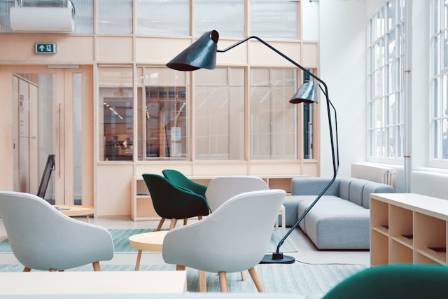
The beauty of minimalist interior design is that its fundamental principles can be combined with a range of aesthetics, allowing for many different variations. As a result, no two minimalist spaces will look exactly alike. If you’re looking for some minimalist interior design inspiration, these Apartment Therapy House Tour images will set you on the right path. Feel free to borrow elements you like to create your own version of minimalist interior design.
Warm Minimalism
This Williamsburg, Brooklyn, condo is anything but cold and sterile. An earthy yet neutral color palette of terracottas, creams, and olive forms the basis of the space, creating an inviting and relaxing atmosphere. Cozy textures like bouclé, velvet, and chunky cotton reinforce the cozy feel, while natural materials such as marble and wood provide contrast.
Eclectic Minimalism
Who said minimalism has to be dull and uninteresting? This California bungalow duplex shows that minimalism can look however you imagine it. Interior designer Travis Wayne describes the home he shares with his husband and son as “eclectic minimalism.” The space features minimalist design principles—clean lines, tidy spaces, organic shapes, and a simplified color palette along with eclectic artwork that brings a touch of color and soul to the rooms.
Soft and Sweet
As a certified KonMari consultant, Jessica Yatrofsky knows a thing or two about creating a minimalist space. Her Brooklyn apartment is evidence of that, with its soft and sweet color palette. The space is filled with personalized artwork and decor at every turn.
Neutral and Textural
Talk about texture! This stunning minimalist living room in Portland, Oregon, is full of visual interest, even though it’s largely monochromatic. From the bouclé couch and knotted rug to the sleek marble coffee table and fluffy pampas grass, this space proves that you don’t need a lot of color to achieve a sophisticated, layered look.
Colorful Minimalism
On the other hand, minimalist interior design can work alongside intentional use of color. This Barcelona home is proof! Thoughtful design elements come together to create a visually calming space, the contrasting cabinetry and Panton chairs take their sherbet shades directly from the circular artwork on the wall, while touches of pattern on the floor are subtle enough to almost blend into the wood floors.
Nearby stops
 STOP
· en
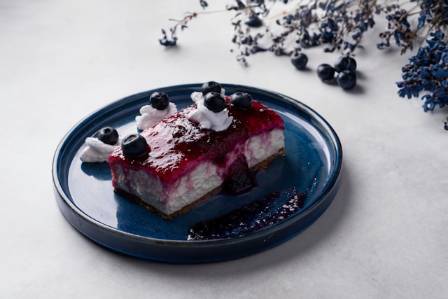
Nutritious Cherry-Blueberry Cheesecake Bars
Eleanor
 STOP
· en
Homemade Salted Lemon Sodas
Evan Walker
 STOP
· en
Nuts and Heart Health: Why Nuts Can Be Good for Your Heart
Noah Anderson
 STOP
· en
The 10 Most Beautiful Aircraft Ever Built
Evander Wynne
 STOP
· en
The Best Sailboats for the High Seas
Jasper Lane
 STOP
· en
What Bibimbap Means and Why It’s Special
Catherine Whitmore